What Is a Mortise Lock and Why Does It Fail?
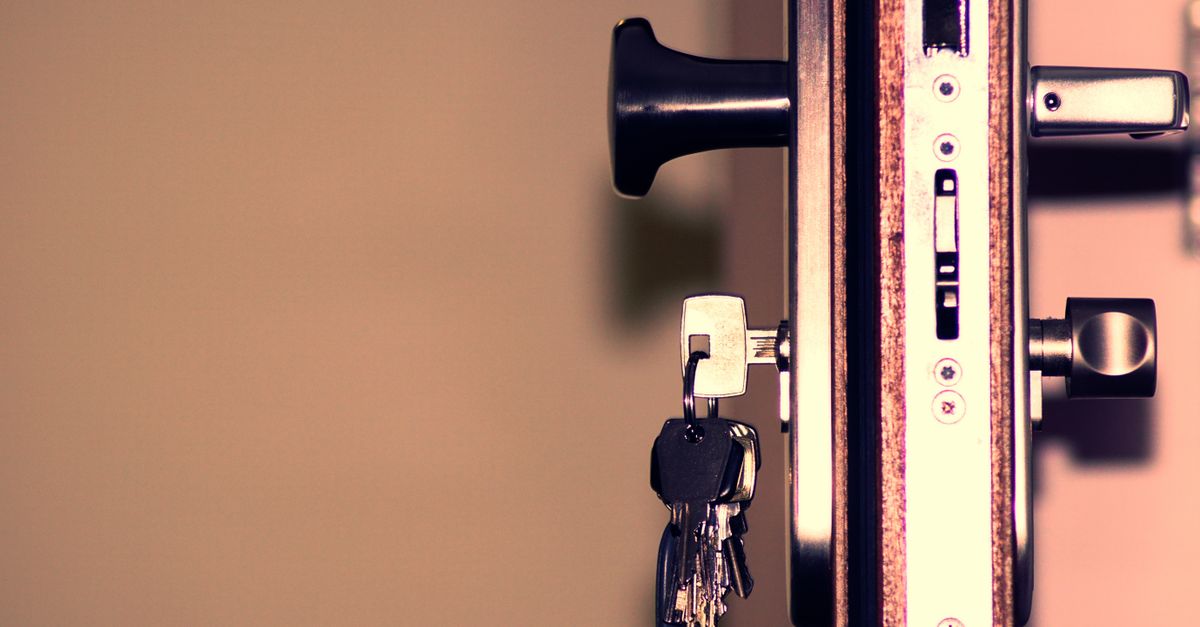
A mortise lock is installed inside a precisely cut pocket — the mortise — carved into the edge of a door stile. The lock body contains multiple working components: a latch bolt, a deadbolt, a spindle for the door handle or knob, and a mortise lock cylinder that accepts the key. Because so many parts live inside one housing, the failure of any single component can make the whole unit feel broken. In Greenacres, where summer humidity and occasional tropical storm pressure cycles are facts of life, metal internals can corrode or swell, causing sluggish bolt movement or a cylinder that feels stiff even with a perfectly cut key. Wood doors can swell too, throwing the strike plate out of alignment and putting excessive side-load stress on the lock body itself.
The most common repair calls we receive involve a cylinder that no longer turns cleanly, a deadbolt that won't fully extend, a worn cam or tailpiece inside the lock body, or a handle that spins freely without engaging the latch. Older units — including classic Corbin Russwin mortise lock hardware and Baldwin mortise lock sets found in well-built custom homes — often just need a thorough cleaning, lubrication, and minor part replacement rather than a full swap. Our technicians assess each situation honestly: if a targeted repair will restore reliable function, we'll say so; if the mechanism is too worn for a lasting fix, we'll show you compatible replacement options before proceeding.