
Why People Lose Keys More Than They Think — and Why a Spare Matters
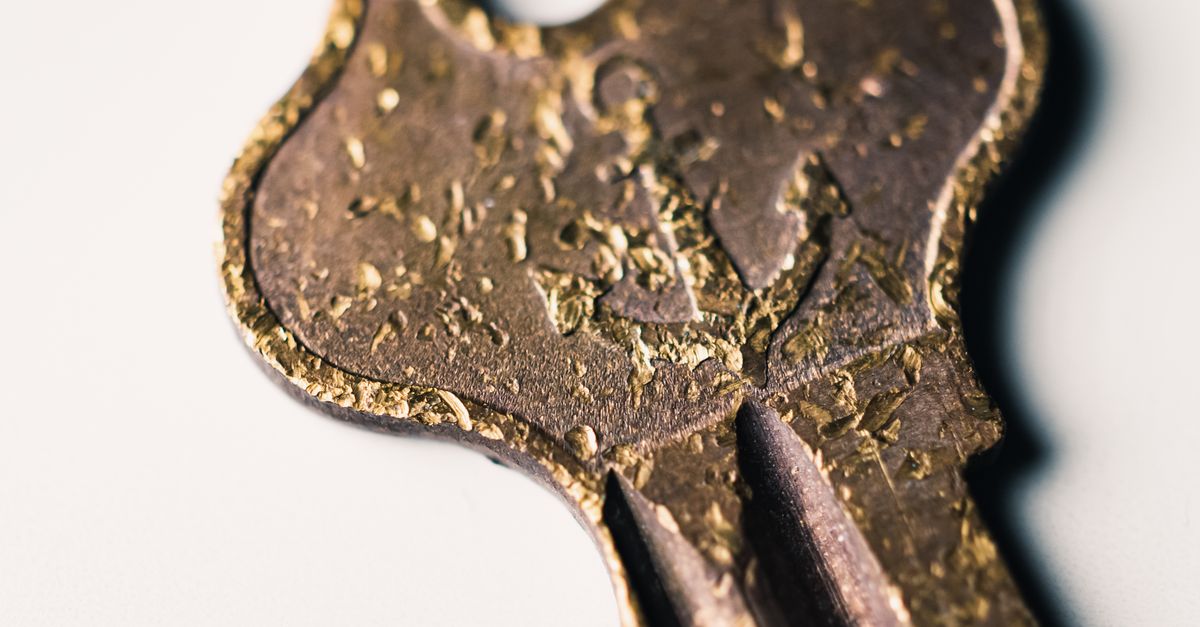
It sounds like a personal failing, but key loss is genuinely one of the most common household events in the country. The pattern is almost always the same: a key gets set down in an unusual spot during a moment of distraction, another copy gets lent to a contractor or house-sitter and never returned, or a worn key finally snaps off in a mortise lock cylinder after years of stress. In Greenacres, where many homes were built in the 1980s and 1990s with older hardware, mortise lock systems are especially common — and those locks use longer, more precise keys that wear faster than modern pin tumbler designs. By the time most homeowners notice a key is missing, they have already been operating on a single copy for months.
The smartest move is cutting at least two spare keys per entry point before you are ever in a bind. A quality duplicate made while the original is still in good shape will copy cleanly, tooth for tooth. Waiting until a key is visibly bent, has a cracked bow, or has already been duplicated two or three generations from the original risks introducing small errors that stack up over time — eventually producing a copy that turns stiffly or not at all. Our mobile team can meet you at your Greenacres home, inspect the condition of your existing key, and cut accurate duplicates using professional-grade cutting equipment, not a consumer kiosk.